Introduction to Sewing at MAC Birmingham

This weekend saw the first sold out MAC course of the year. Introduction to Sewing has been a course staple for me at MAC since I started a number of years ago. In this course, I cover all the technical basics such as introducing students to different sewing machines, how to use them and progressing through seam and detail samples. This techniques are then applied in a final make on day two.


We had a very busy first day with everyone working through the samples well. I had a number of people say they hadn't used a sewing for a long time and we worried that this would slow their progress. But they needn't have worried; they worked through them so proficiently, I was adding in extra things to do! I feel some new applicants for the Great British Sewing Bee coming on!


Day 2 focussed on a final make. I have a series of graded patterns for simple tops, skirts and shorts (for men) and everyone created some lovely me-made makes. Two ladies used the same red and gold printed wax cotton for their top make and it worked extremely well. Take a look at some of the photos below to see how everyone got on.


I know a few people missed out on attending this course but don't worry, I have lots of others coming up soon. Take a look at my courses page to see what's coming up.

Alexander McQueen Unlocking Stories Exhibition

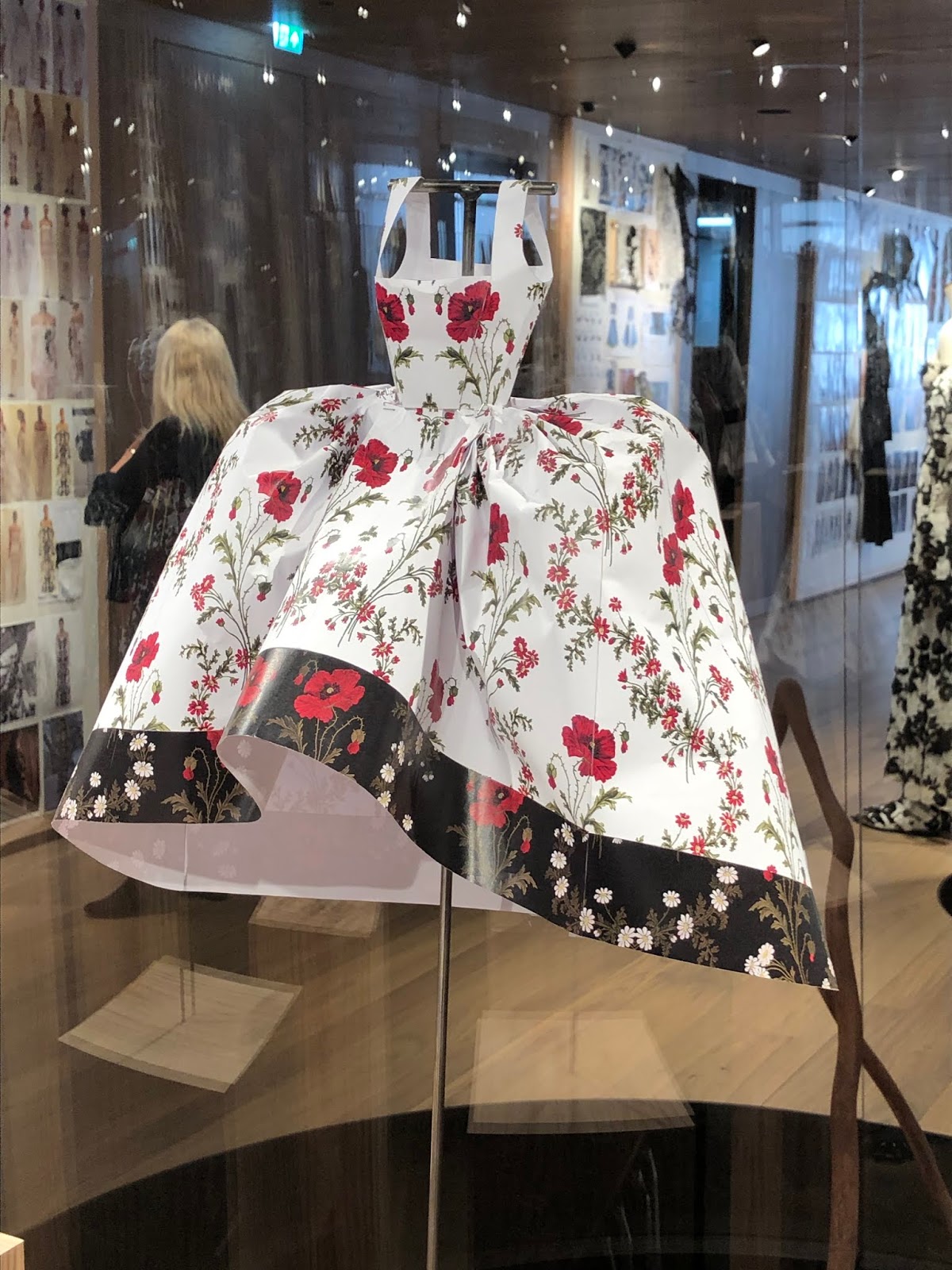
At the start of the year, the new Alexander McQueen store opened at 27 Old Bond Street, moving into a larger space to house their growing collections. Although the store has a sleek aesthetic and is a joy to look around, it is the unique addition of an archive exhibition on the 2nd floor that is arguably the most interesting. Displays of drawings, sketches, samples, fitting notes, patterns, paper models and garments fill the space and give a unique view of how the team at McQueen build and develop their collections. Archive pieces from the Voss and it’s only a Game collections have been brought out of storage and are available to view close up, and large photographs showcase the techniques used in the garments from recent collections that are displayed on stands.


The exhibition space aims to help fashion students and industry followers understand more about the design process, how a collection is developed and the creative methods that are employed at the brand. This is the first company to actively show elements of their archive to the public, and when I spoke to an archive assistant on my visit, she said that the reason they’re doing it is because they believe that it’s important that students understand the process and craftsmanship that goes into building a collection. As a lecturer, I also think this is really important. A collection cannot be built from one piece of inspiration or one experimental sample. It takes a range of ideas and techniques, such as what is on show at McQueen to build a cohesive and desirable range of pieces.


One of the most interesting elements that I discussed with the archive assistant was the creation and development of the Ophelia dress. The idea originated from a Victorian silk wedding dress that had been passed down through the generations of a family from Devon. The dress was scanned in and floral still-life images were overlaid over the scan. This was then generated into a print and used as the fabric for a dress in the AW2012 collection. To see the dress in person, at first glance it is difficult to see the original dress in the print, but on closer inspection, the detail and structure of the vintage dress can be seen. You can read more about the Ophelia dress on the McQueen website here: https://www.alexandermcqueen.com/experience/en/alexander-mcqueen-unlocking-stories-ophelia-dress/

I personally found the visit extremely enjoyable. I was able to look at the detail and cut of the garments close up, take photos and see how the brand works. I am always interested in how garments are cut and constructed, and found this exhibition highlighted this excellently. I happened to visit this on the same day as the Dior exhibition and found that although I enjoyed the show at the V&A, the organic display, varied content and close-up experience made the McQueen archive a highlight of a great fashion-filled day. 

McQueen are aiming to continue to display elements of their archive, making a change every 4 months or so. Sign up to their newsletter to get more information about any upcoming changes to the exhibition. You can read more about some of the pieces on show here: https://www.alexandermcqueen.com/experience/en/category/stories/


Christian Dior: Designer of Dreams Exhbition at the V&A

A few weeks ago I went to the Christian Dior Exhibition, 'Designer of Dreams' at the Victoria and Albert Museum.

I thoroughly enjoy visiting exhibitions and felt it was worth going to see. I had previously been to the McQueen exhibition at the V&A and was looking forward to seeing if this would rival it. I'm very pleased that I booked tickets so early as they've now all sold out!


The exhibition takes you through key events, elements and silhouettes from the House's 72 year history, opening with the iconic 'New Look' from 1947 and was surrounded by other white and black ensembles by Gianfranco Ferre, John Galliano and Maria Grazia Chiuri.


Other rooms allowed you to get close to the garments, instead of them being presented behind glass so the true craftsmanship and detail of the pieces could be viewed clearly. I was particularly impressed with how well preserved the garments were. I have attended other exhibitions where sadly, the clothing is damaged or has not been well looked after but this was definitely not the case here. The beading and embroidery on the pieces was immaculate and the fabrics showed no staining and decay. Also, the vividness of the colour of the vintage pieces gave the impression that they could have been made yesterday.


The surrounding installations aid the mood of the exhibition by changing in atmosphere, style, colour and sound throughout the various themes that are explored in the exhibition. Drawings, photographs, miniature garments and videos accompany the exhibits, providing additional context, but my particular favourite installation was 'Les Invasions Paper Garden' by Wanda Barcelona. Paper flowers adorned the ceiling and parts of the walls, implying a delicate and natural mood that matched the floral garments on display.


One of my other favourite rooms was the toile room. A show stopping collection of the couture sample toiles (which are all made in white) around each wall of the room. Once again, you could  see how they were made and all the changes that had occurred during the making process. I think this is really important to see when discussing or showing the design process; its ok to make and document the mistakes as it will make the outcome better.


Other displays featured key pieces by the House's creative directors through history. John Galliano's work is incredibly strong in these areas as his pieces are by far the most dramatic. However, the clean lines of Raf Simon's pieces, and the simplicity and femininity of Maria Grazia Chiuri's work is also presented beautifully in open spaces that allow you a detailed look at how they were made.


Overall, its a great exhibition and worth the money. The V&A is releasing a few limited tickets for this exhibition on the 15th of each month and there are a limited number available each day directly from the V&A, so if you want to see it, act quick!

Global Approaches to Pattern Cutting Series-Zero-Waste Pattern Cutting

As part of my Global Approaches to Pattern Cutting lecture series, I have developed a range of workshops that explore different creative cutting methods.

Part 2 of this series involved looking at the Zero-Waste cutting method 'Hyperbollic Tessalation'; a process used by Holly McQuillan, Timo Rissanen and Dr Mark Liu. This is when a uniform/ same shape or tile is used and repeated; interlocking together to ensure there is no waste surface area between the shapes. This idea works particularly well when lay-planning as it can help reduce the amount of waste fabric that is thrown away.

The workshop began with a small presentation outlining the harmful environmental impacts caused by waste resources, the designers working to change this, characteristics of hyperbolic tessalation, and examples of how it works. I then invited students to experiment on mannequins cutting hyperbollic shapes in paper to create garment ideas.

Everyone created some very interesting ideas and a number of them were very conceptual. Although its a simple representation of the concept, creating the ideas in paper helps to showcase the theory behind the practice. This can then be developed further if the student wants to be more creative.

Take a look at some of the creations below. Don't worry, at the end of the session, everything was recycled so as not to impact too heavily on the environment :)